


Injection systems
Prefilled syringes, autoinjectors, cartridge systems, multi-use pens, needles, and needle-safety devices.
Consultant, quality leader, auditor, and educator.
I help pharmaceutical, biotech, and medical device organizations resolve the quality, governance, and operating-model challenges that emerge where drugs and devices meet.
I have spent my entire career working with drug delivery systems and drug-device combination products. During that time, I have seen organizations and the broader industry mature in how they integrate drug and device requirements, ownership, and quality systems. My work has covered prefilled syringes, autoinjectors, cartridge-based systems, multi-use pens, infusion devices, IV and dialysis bags, vial-based reconstitution and kitted systems, nebulizers, nasal and inhalation delivery systems, and implanted combination products across vaccines, biologics, small molecules, antibiotics, generics, and diluents, from development and clinical use through launch and commercial scale.
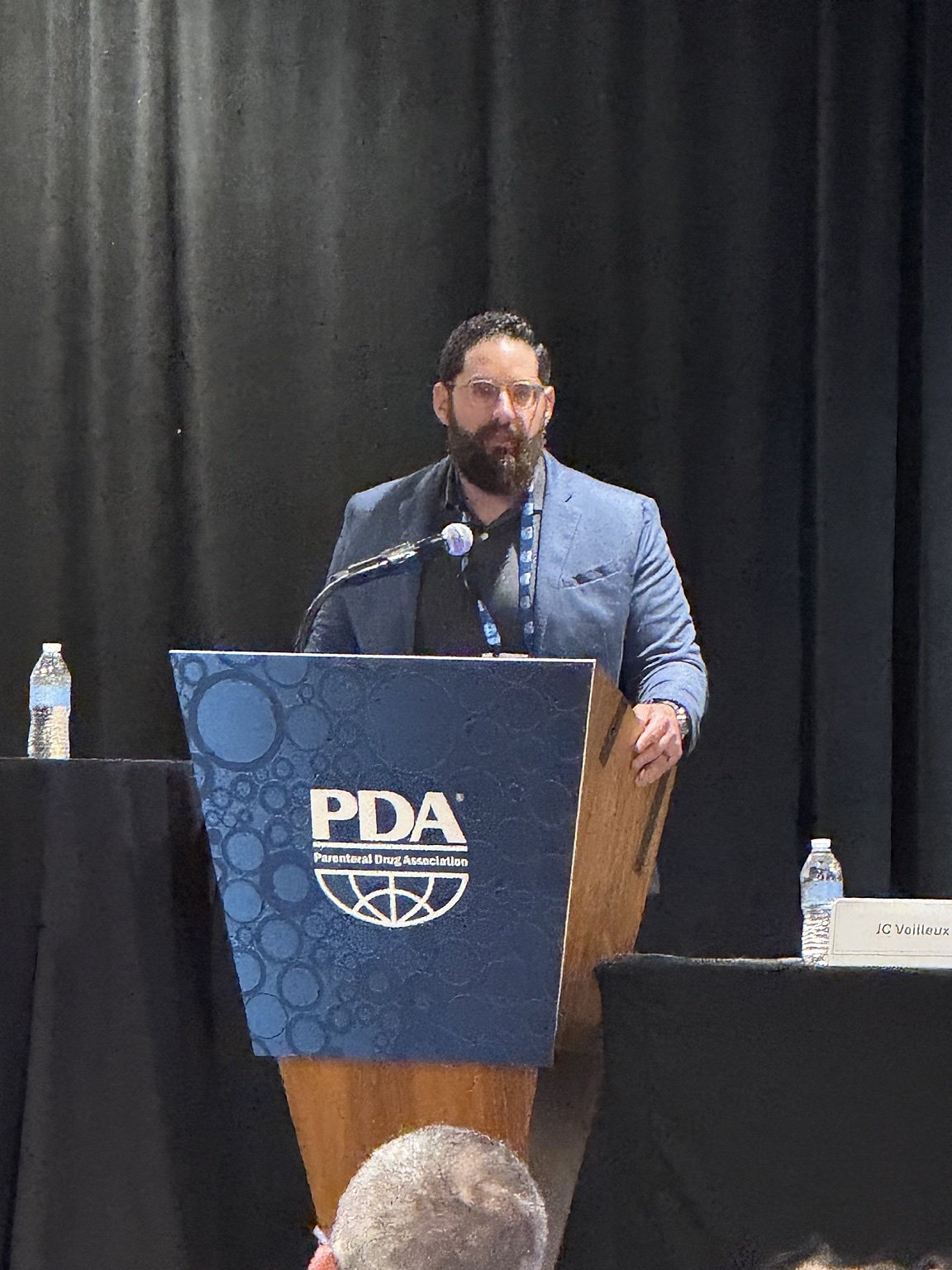
My experience includes a frozen prefilled syringe platform supplying more than 100 million units annually and oversight of CMOs, contract laboratories, and specialized service providers. I have chaired industry working groups through the Combination Products Coalition and Rx-360, contributed to AAMI combination product work, co-created the CQA Master Class, and produced 250+ episodes of Let’s Combinate. I am an ASQ Certified Quality Auditor and Certified Quality Engineer, an ISO 13485 lead auditor, and a bioengineering graduate of the University of Illinois Chicago.
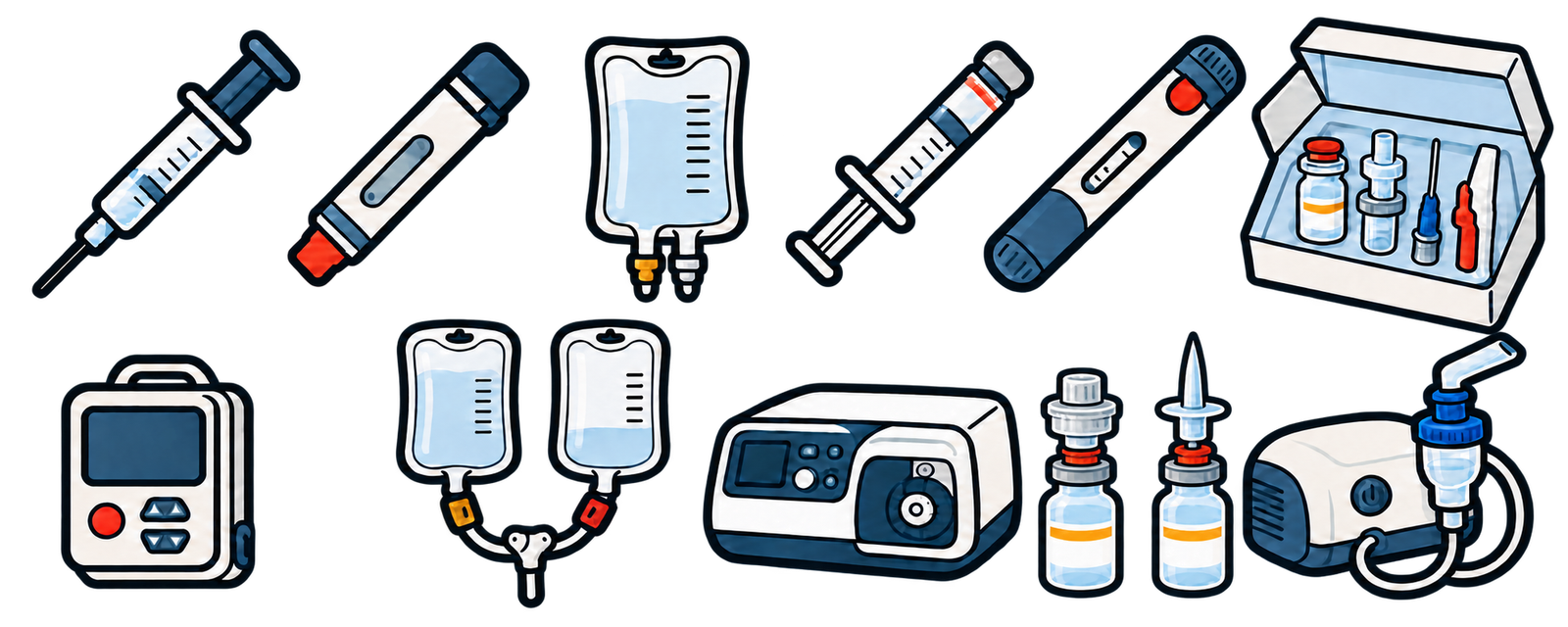
Prefilled syringes, autoinjectors, cartridge systems, multi-use pens, needles, and needle-safety devices.
IV bags, infusion devices, peritoneal dialysis bag systems, cyclers, and disposable sets.
Vials, transfer and spike adapters, combination product kits, and administration components.
Nebulizer systems, associated delivery components, and implanted combination products.
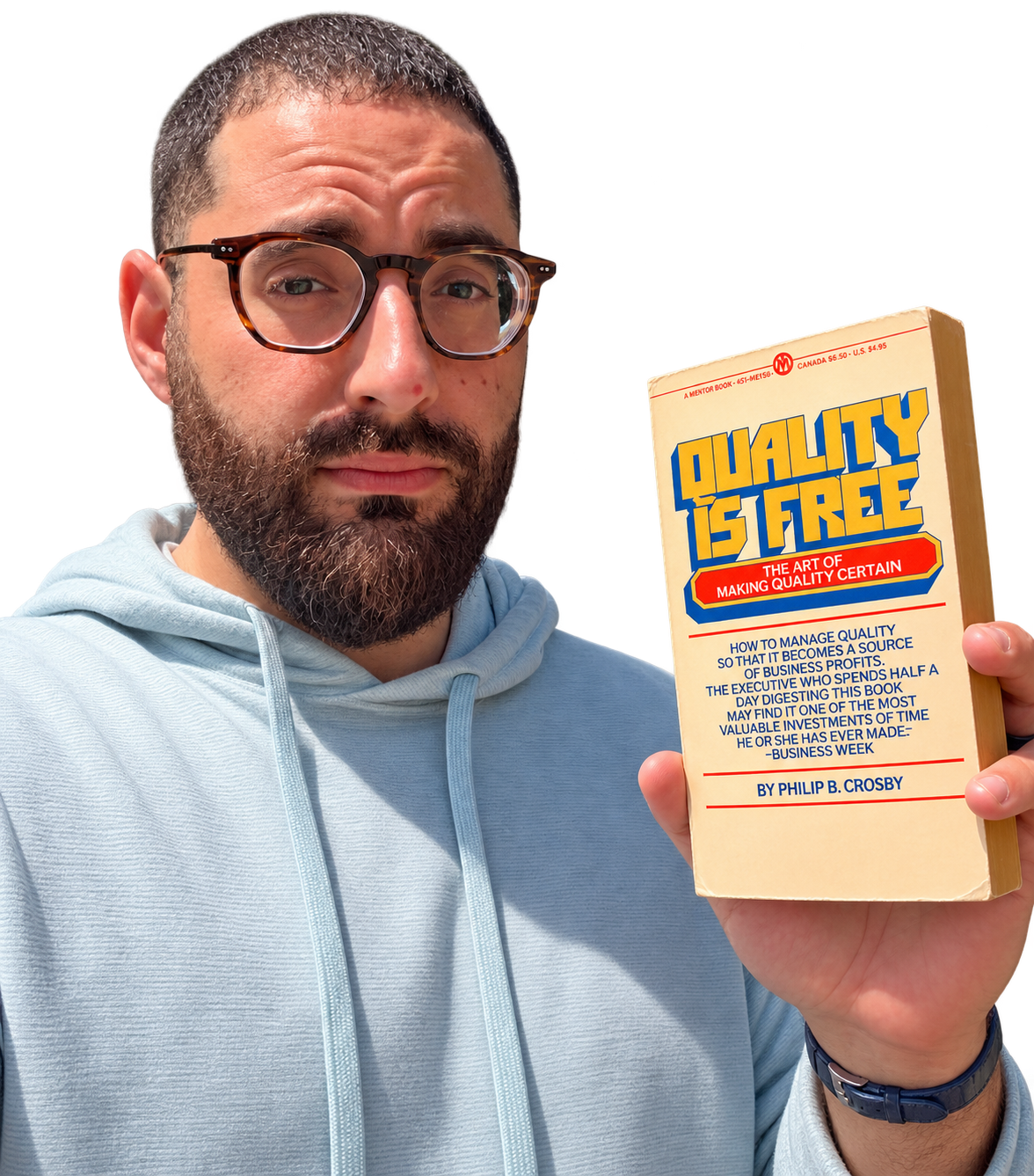
Drug and device organizations define, measure, and demonstrate quality differently.Quality is still free.That principle, shaped by Philip Crosby’s Quality Is Free, guides how I approach the work: clarify the requirements at the interfaces so teams can reduce confusion, make better decisions, and avoid unnecessary bureaucracy.
Watch: Five beliefs that get quality wrong